Skip to content

We value your privacy

We use cookies to optimize the functionality of the website and to provide you with the best possible experience. Click on “Accept cookies” to accept all cookies or set your own preferences. Read more about our cookie policy.

Your preferences

Energy solutions for government and education


Request project advice

Receive a tailored proposal

Solar panels, battery storage, charging infrastructure and smart energy management for schools, campuses and municipalities.

Schools, municipalities and campuses often manage multiple buildings, each with its own consumption profile and users. Powerland makes those environments more sustainable per location and centrally managed, expandable without duplicate investment.

Energy challenges in government and education

Challenges

  • Distributed infrastructure: multiple buildings each with their own consumption profile.
  • Peak moments: school hours, events and simultaneous charging.
  • Limited grid capacity: expansion is costly, slow or not feasible.
  • Different user groups: staff, students, visitors, service vehicles.

Powerland solutions

  • PV on roofs of schools, sports halls and administrative buildings
  • Battery storage (BESS) for peak shaving and grid utilisation
  • EMS control per building and centrally across multiple sites
  • Charging infrastructure with configurable access and rates
  • Monitoring and reporting for budget and policy monitoring
Charging infrastructure

CHARGING INFRASTRUCTURE

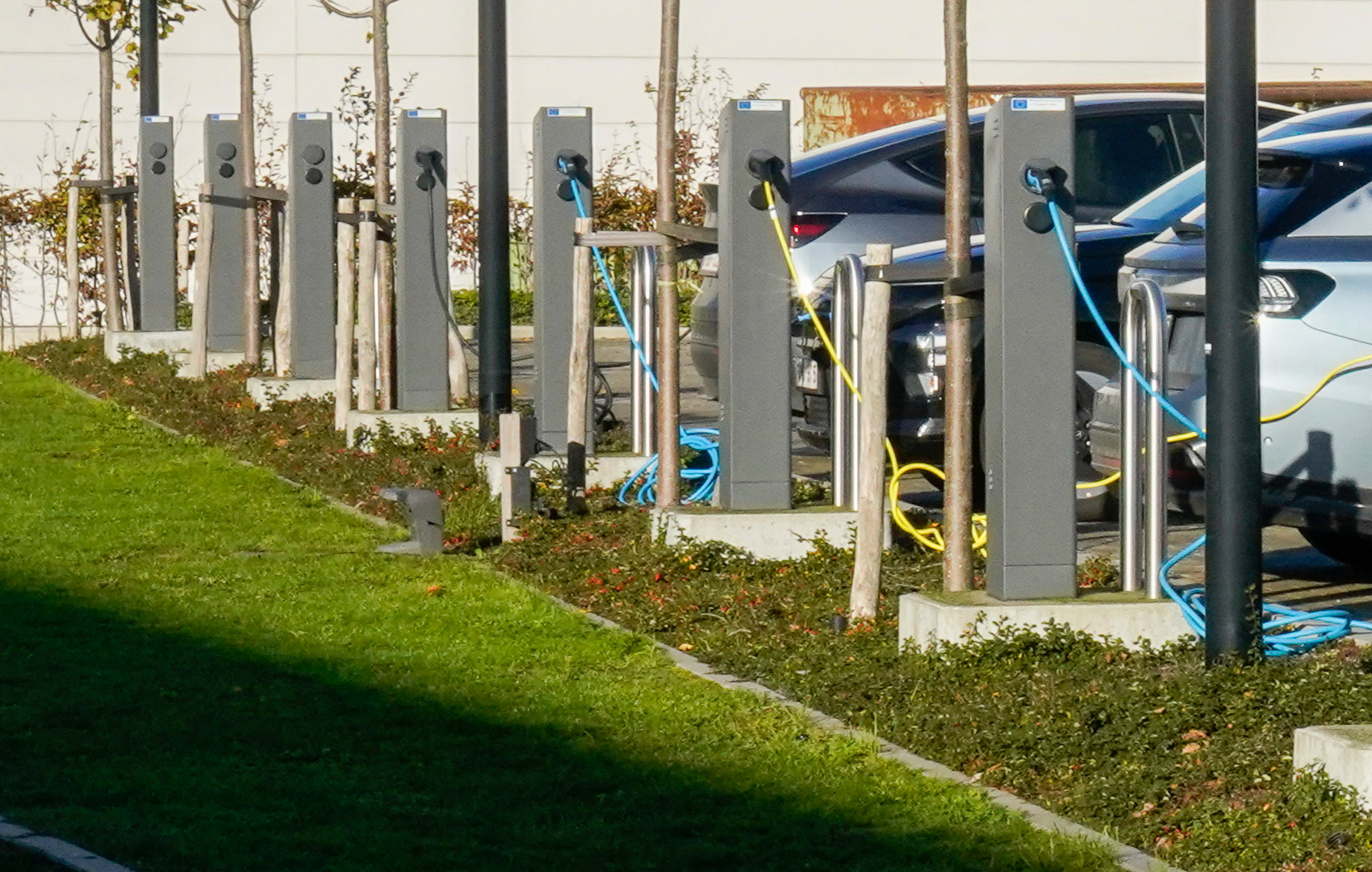
Charging points for staff, visitors, students and service vehicles. Access and rates configurable per user group, prepared for phased electrification.
More about charging infrastructure
Battery storage

BATTERY STORAGE

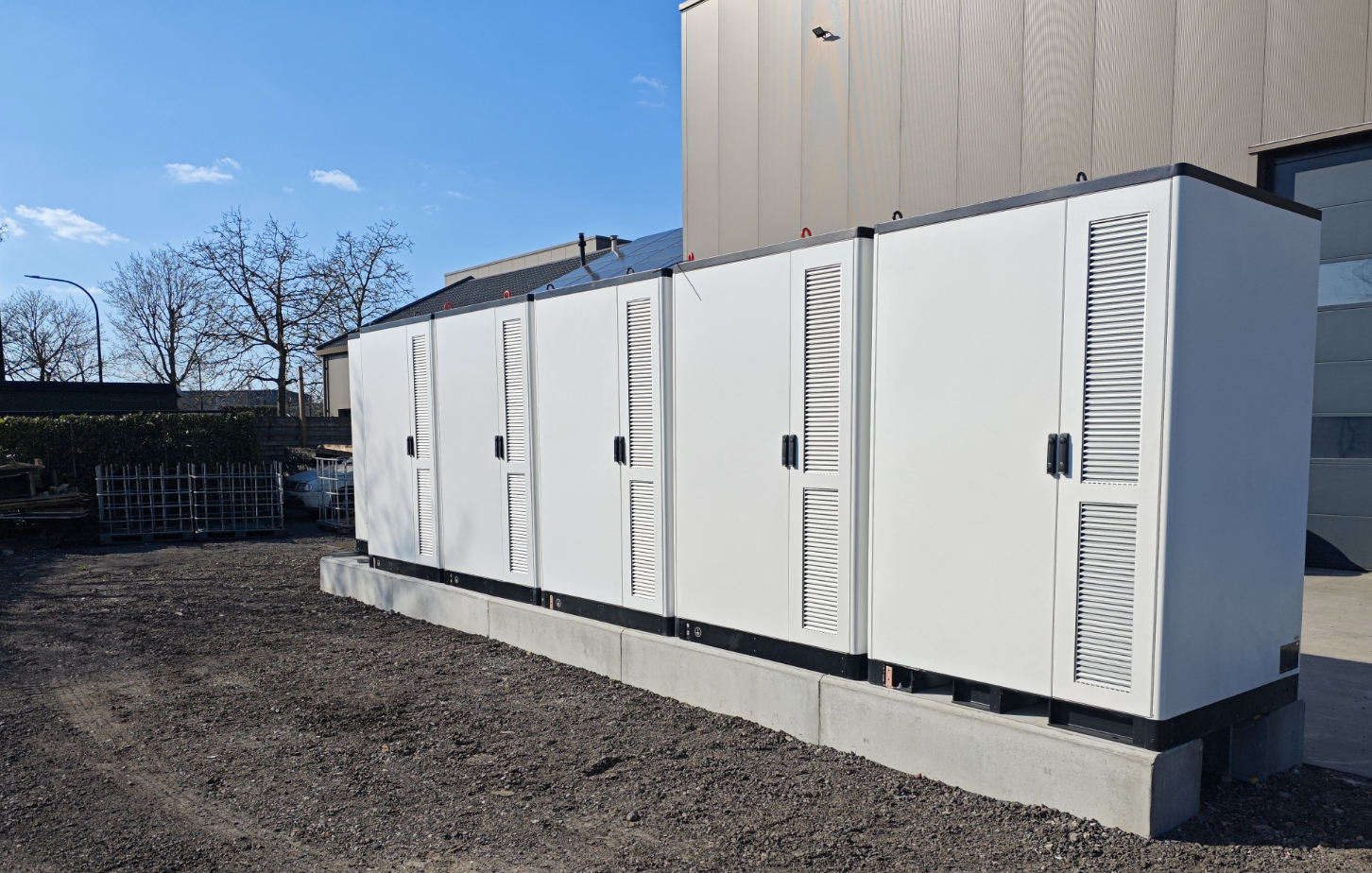
Buffers peaks during simultaneous consumption from buildings and charging points. Reduces the capacity tariff and enables expansion on the existing connection.

More about battery storage
Solar panels

SOLAR PANELS

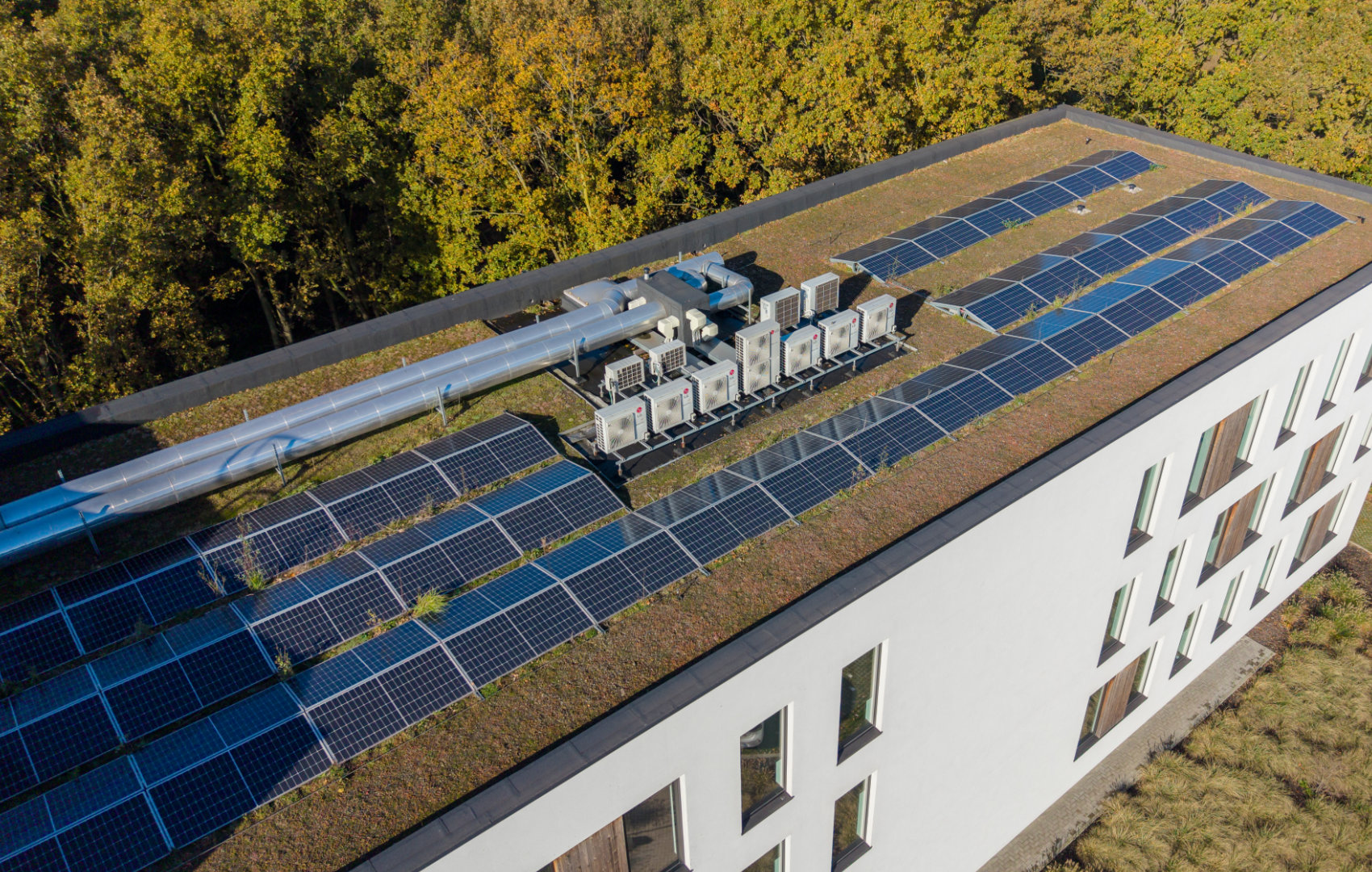
Large roofs on schools, sports halls and administrative buildings deliver high yield. High daytime consumption ensures strong self-consumption and a short payback period.

More about solar panels
Beschrijving

More control over your energy.

Smart energy management with EMS in public buildings

An Energy Management System controls energy per building and across multiple sites — for distributed public infrastructure, the only workable management model.

  • Distribute power between building, charging and production
  • Set priorities (critical installations versus charging)
  • Peak monitoring and automatic limiting
  • Monitoring and reporting per location or centrally
More about EMS

Waarom overheid en onderwijs kiezen voor Powerland

Public organisations work differently from private businesses. Budgets run over multi-year plans, decisions go through tender and specification procedures, and installations must scale without requiring repeated reinvestment. Powerland knows that context.

  • One energy vision across multiple locations — buildings, charging and production centrally managed
  • Total partner: charging infrastructure, charge management, charge cards and service & maintenance from one supplier
  • Scalable design: expand later without rebuilding the basic infrastructure
  • Experience with public tenders, school construction projects and public specification structures
  • Reporting usable for budget monitoring and sustainability reports
Read case study City of Ghent
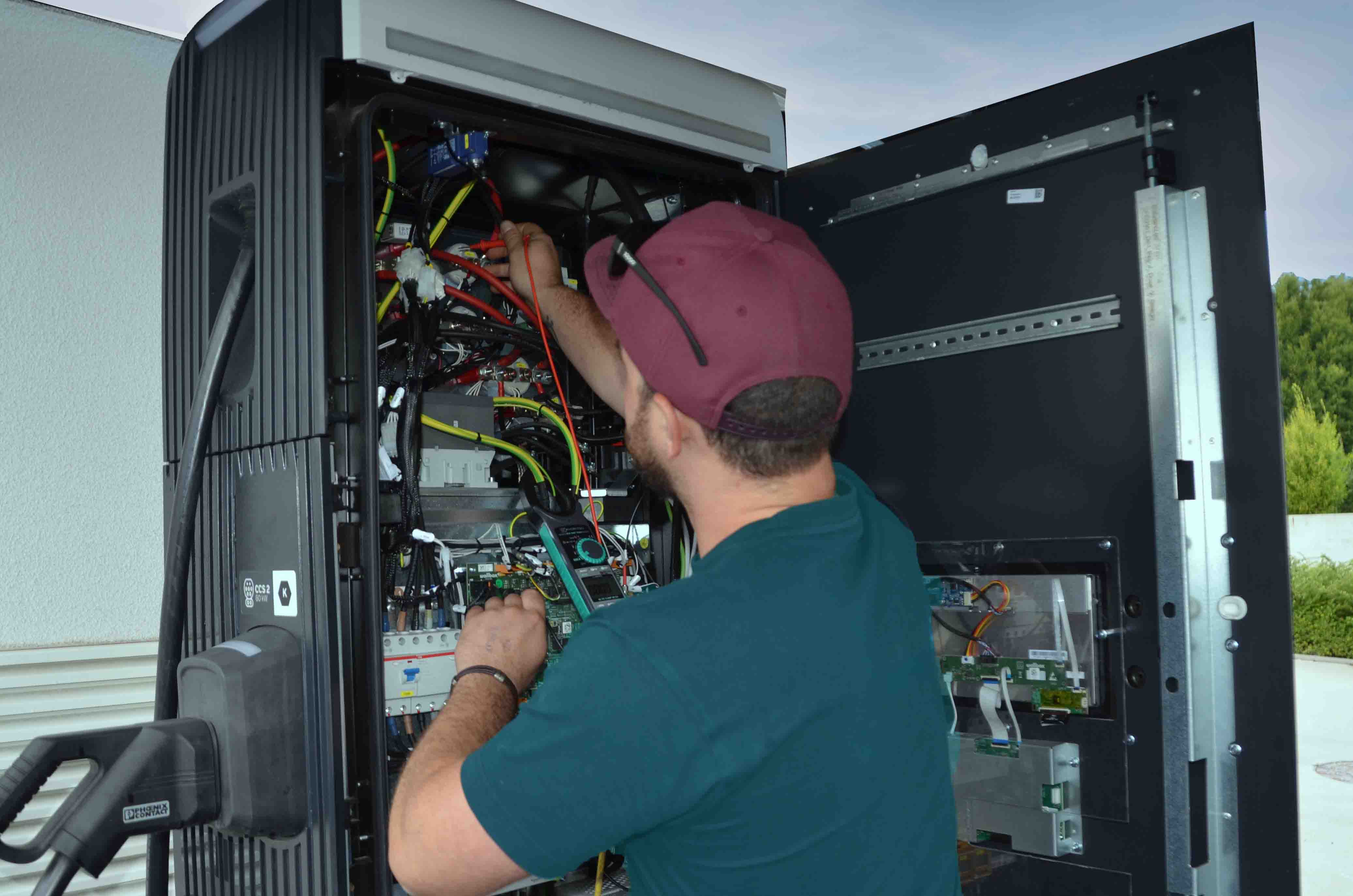
Powerland service and maintenance

One partner for all your locations.

Questions about
government & education

A typical process runs from 8 to 16 weeks from approval, with the installation itself often taking place during a school holiday or closure period. For larger projects with grid modifications this can increase - early coordination with the grid operator is then crucial.

The number depends on users, vehicles and grid capacity. As a guiding order of magnitude: an average secondary school often starts with 2 to 6 AC charging points with EMS control, a municipal administrative site with 4 to 10 charging points spread across staff, service vehicles and public charging. Powerland determines the exact number based on a site analysis.

The investment depends on the number and type of charging points (AC or DC), the distance to the main connection and the combination with EMS, battery storage or PV. A budget typically consists of three parts: the charging infrastructure, the installation and cabling costs, and the EMS and management platform with maintenance. Powerland provides a detailed cost estimate within the specification or tender.

To all questions  

Contact and help

Our customer service and sales team are ready to assist you.
If you are at a charging point and require immediate assistance, you can reach us at +32 57 69 01 05 to speak to an employee.
For non-urgent questions regarding billing or your account, you can email info@powerland.be

Get in touch