Skip to content

We value your privacy

We use cookies to optimize the functionality of the website and to provide you with the best possible experience. Click on “Accept cookies” to accept all cookies or set your own preferences. Read more about our cookie policy.

Your preferences

Make charging part of the customer experience: clear, available and hassle-free.


Request a site analysis

Schedule a no-obligation consultation

Retail & hospitality

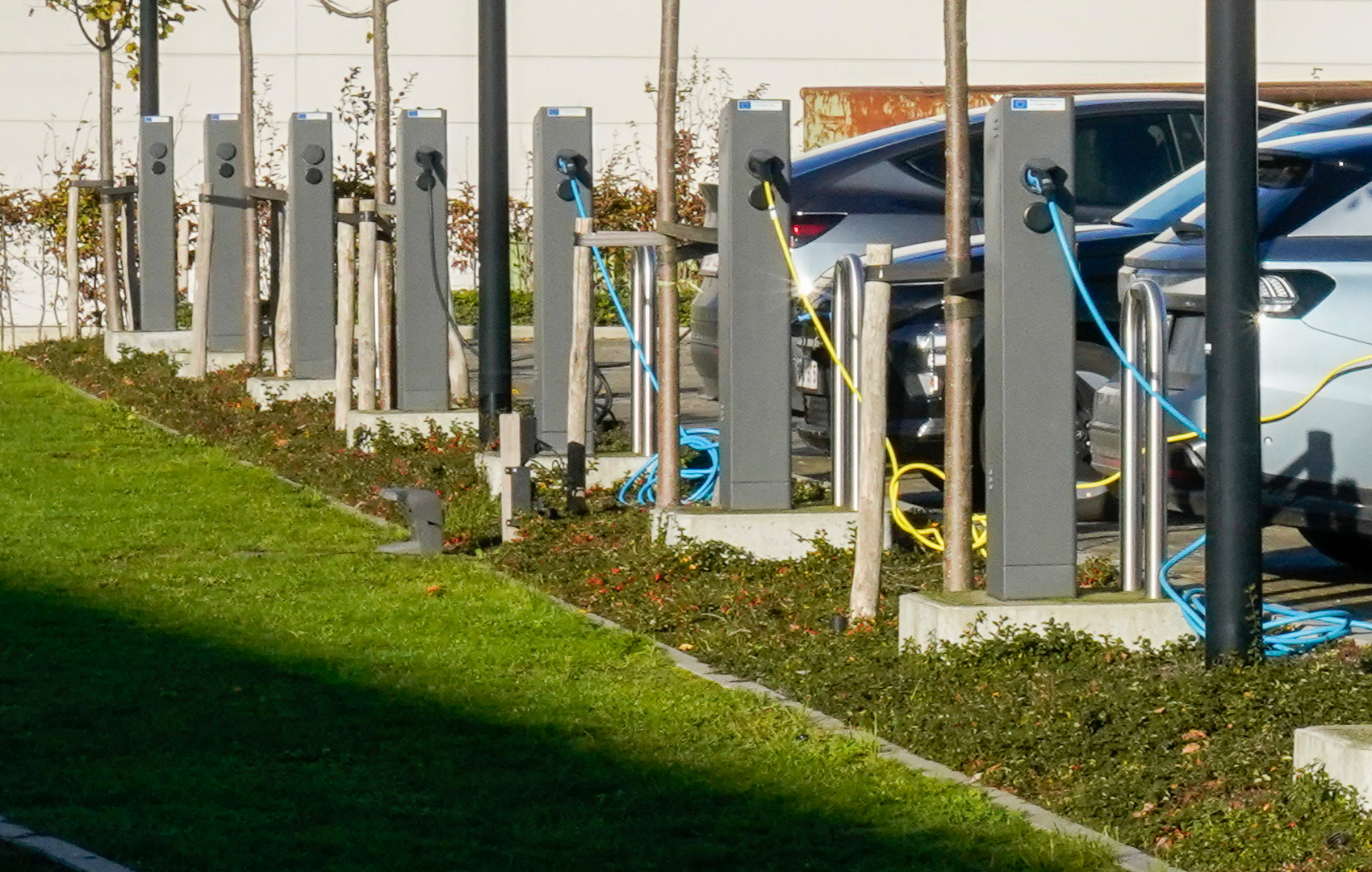
At a supermarket car park, a restaurant or a hotel, charging is a service to your customer. Powerland combines charging infrastructure with smart energy management, battery storage and solar panels into one system that fits your location, your visitors and your commercial model.

Three user groups, three charging profiles
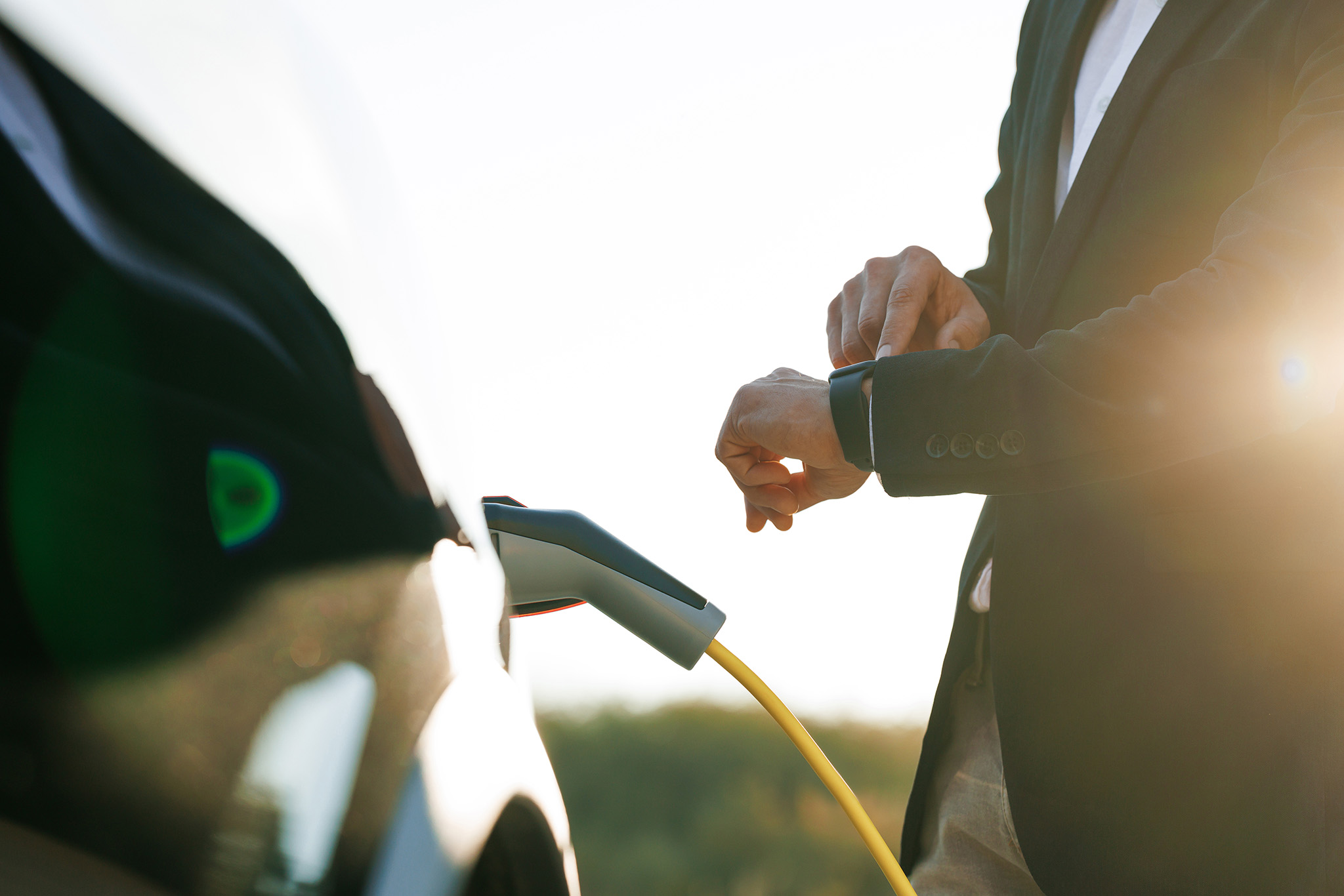
Customers: charging during their visit
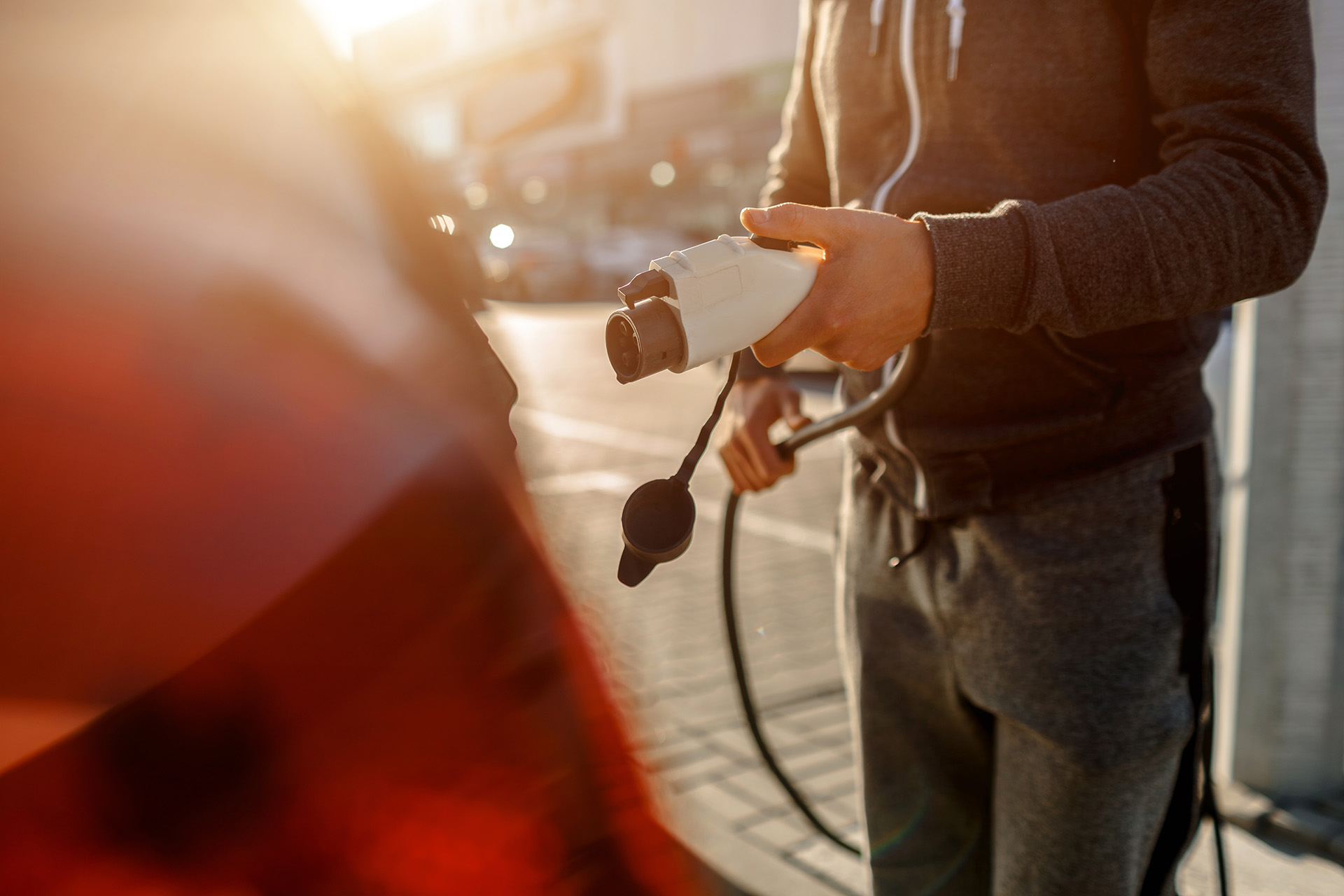
Customers: charging during their visit

  • Short parking duration (30 min to 2 hours)
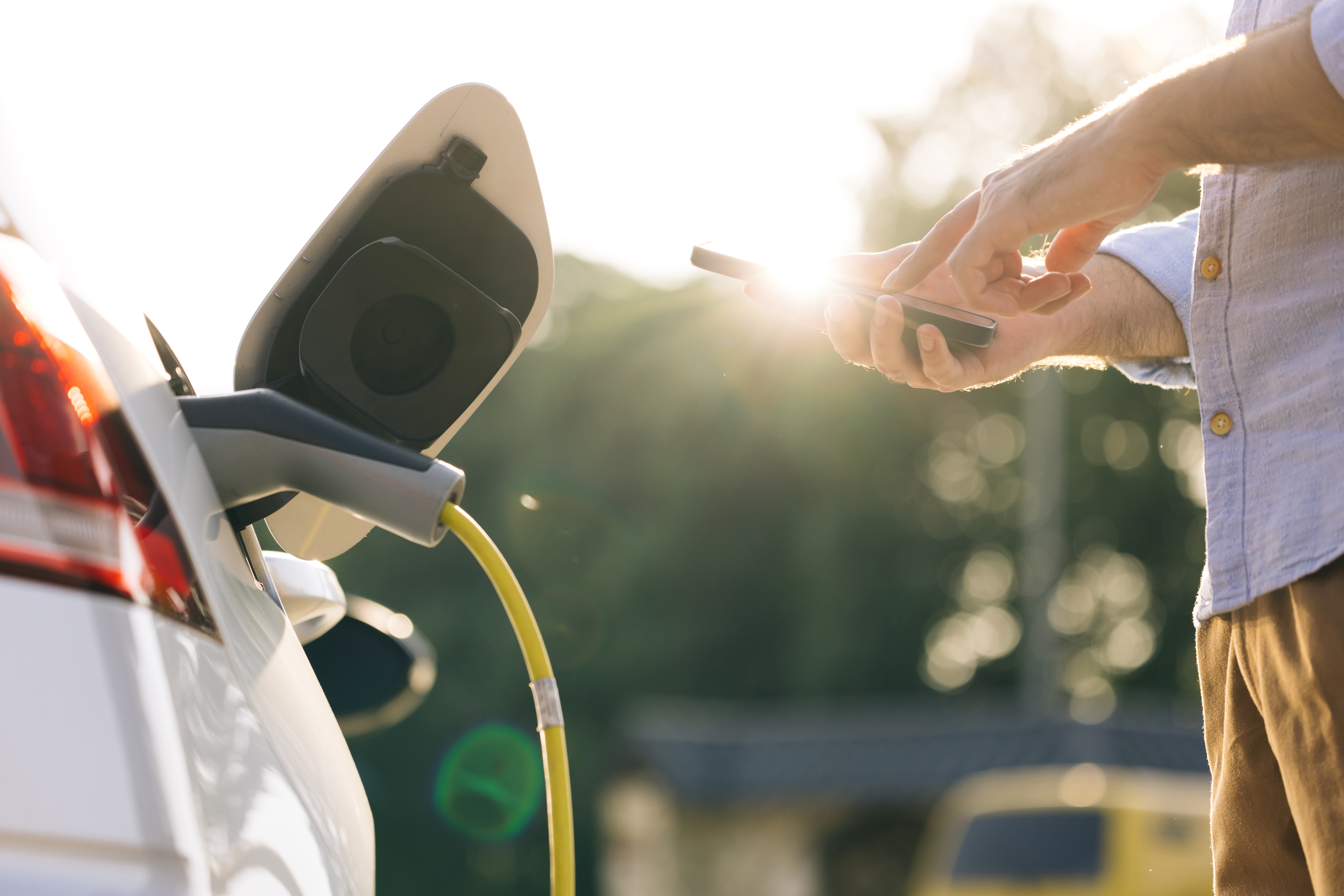
  • Easy start via QR or payment solution, no charge card required
  • Availability is crucial — an occupied charging spot means lost service
Hotel guests and long-stay parkers

Hotel guests and long-stay parkers

  • AC at lower power is sufficient: cost-effective and low grid load
  • Car is fully charged in the morning (overnight charging)
  • Access via reception, booking or room card
Staff and company vehicles

Staff and company vehicles

  • Staff cars, pool vehicles and service vehicles at fixed spaces
  • Access via RFID or charge card
  • Consumption per user or department
  • Time windows and limits prevent occupation of customer spaces
Charging infrastructure retail and hospitality

You decide who charges, when and on what terms.

Your commercial model: public or semi-public

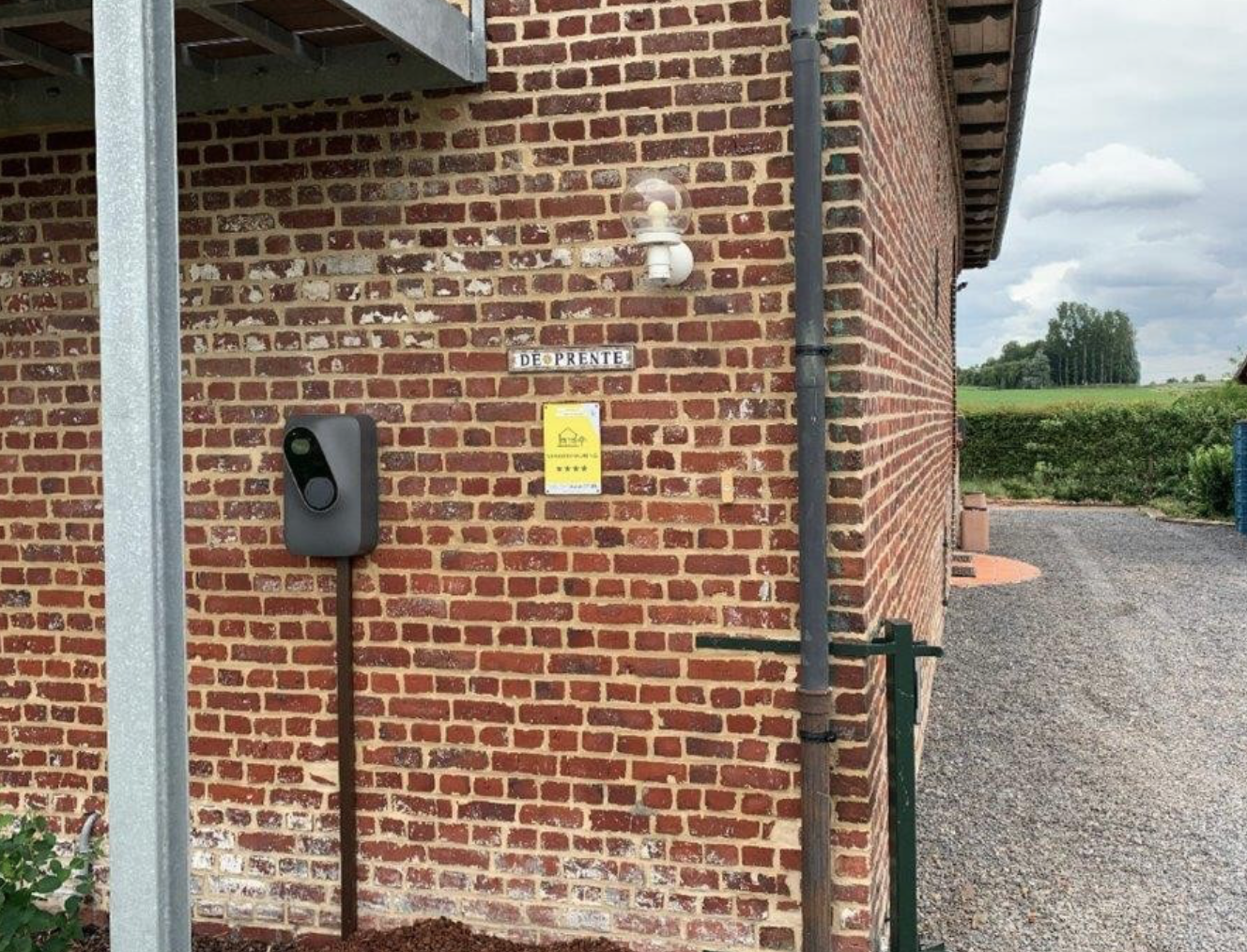
How you offer charging depends on your location and target audience. At a retail car park, charging points are typically fully public: anyone can charge and pays per kWh via QR code or payment solution. At a hotel or B&B, semi-public charging works better: guests gain access as part of their stay, while the charging points are not open to passers-by.

  • Public or semi-public — configurable per charging point
  • Semi-public ideal for hotels and hospitality: access for guests, not for passers-by
  • Time limits and blocking tariffs to prevent charging point hogging at public points
  • Transparent rates and smooth payment experience
  • Central management, reporting and exports via the Powerland platform
Read more about charging infrastructure at retail car parks

Service and maintenance

A charging station that is out of service in your car park is immediately noticed by your customers. And if there is a commercial model behind it, downtime also costs you revenue directly. That is why Powerland monitors your charging infrastructure remotely and intervenes in the event of faults — remotely where possible, on-site when necessary.

  • Remote monitoring and fast intervention
  • Preventive checks and firmware updates
  • One point of contact for charging infrastructure, EMS and battery
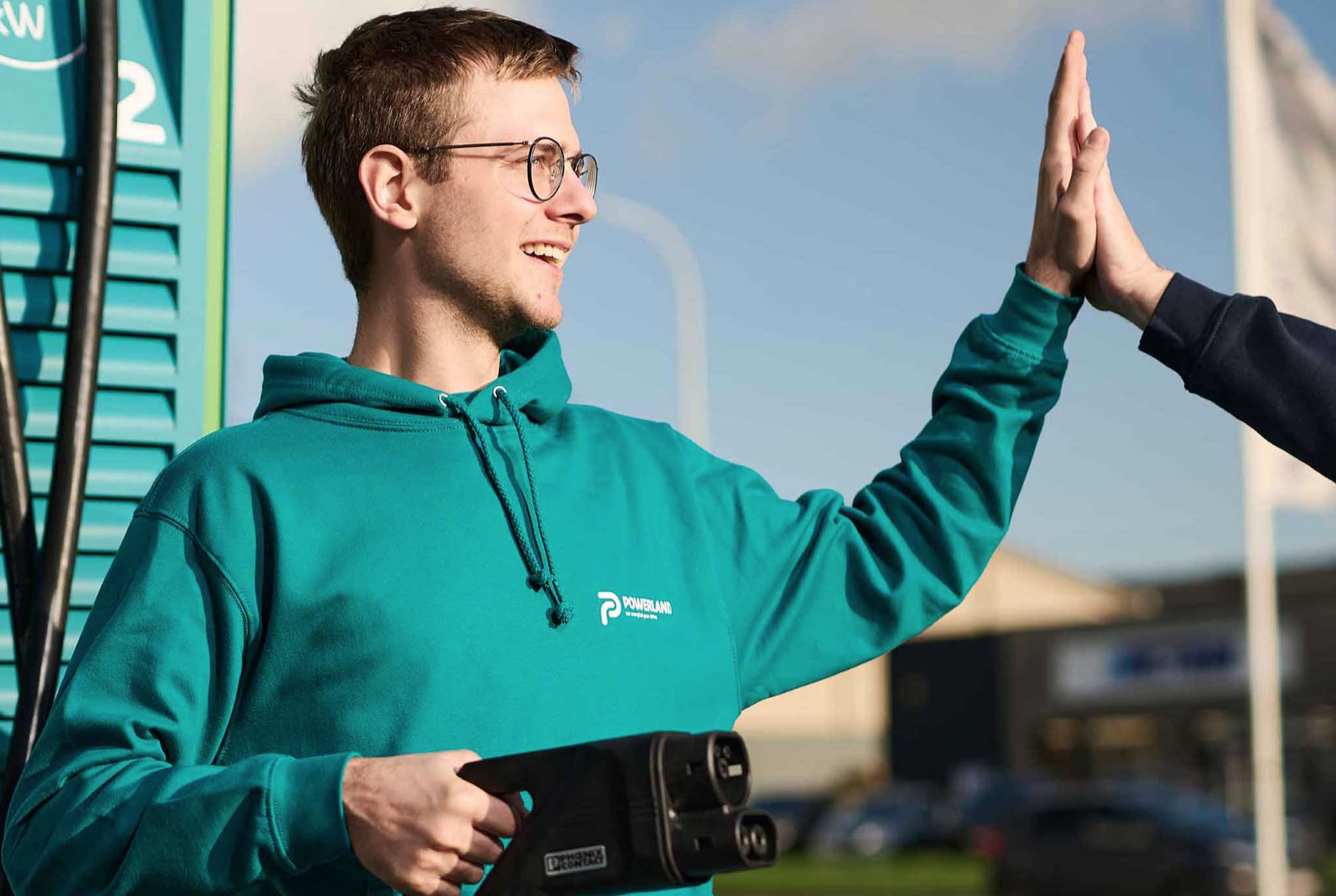
More about service and maintenance
 Service and maintenance

We make sure your charging points keep working.

Get more out of your site

Solar panels supermarket

Solar panels

Large roofs on shops, supermarkets and hotels deliver high PV yield. Continuous daytime consumption ensures strong self-consumption.

Battery storage

Battery storage

Buffers peaks from cooling, HVAC, kitchen installations and charging infrastructure. Reduces your capacity tariff and supports future expansion of charging points.

Smart energy management for retail

Energy management

One platform (EMS) that controls cooling, HVAC, lighting, charging infrastructure and battery storage together. Prioritises critical consumers and automatically distributes available power.

Questions about
retail & hospitality

Yes. A battery can buffer peaks when multiple consumers are active simultaneously (cooling, HVAC, ovens, charging stations). In combination with EMS you can better control peaks and use your capacity more efficiently.

Usually a combination works best: AC charging points for customers who stay a bit longer and compact fast chargers for short stops and rotation. With load balancing/EMS, cooling and building consumption can still get priority, and with PV/battery you can further control peaks and energy costs.

Often yes, especially with a lot of daytime consumption. The return today mainly depends on self-consumption. With EMS (and possibly battery) you increase the own use of your PV power.

To all questions  

Contact and help

Our customer service and sales team are ready to assist you.
If you are at a charging point and require immediate assistance, you can reach us at +32 57 69 01 05 to speak to an employee.
For non-urgent questions regarding billing or your account, you can email info@powerland.be

Get in touch