Skip to content

We value your privacy

We use cookies to optimize the functionality of the website and to provide you with the best possible experience. Click on “Accept cookies” to accept all cookies or set your own preferences. Read more about our cookie policy.

Your preferences

Smart control that automatically optimises your consumption, solar panels, battery and charging stations.

An Energy Management System (EMS) makes your business more energy-efficient. It measures, analyses and controls your entire energy installation in real time — for fewer peaks, more self-consumption and lower energy costs.

What is an Energy Management System (EMS)?
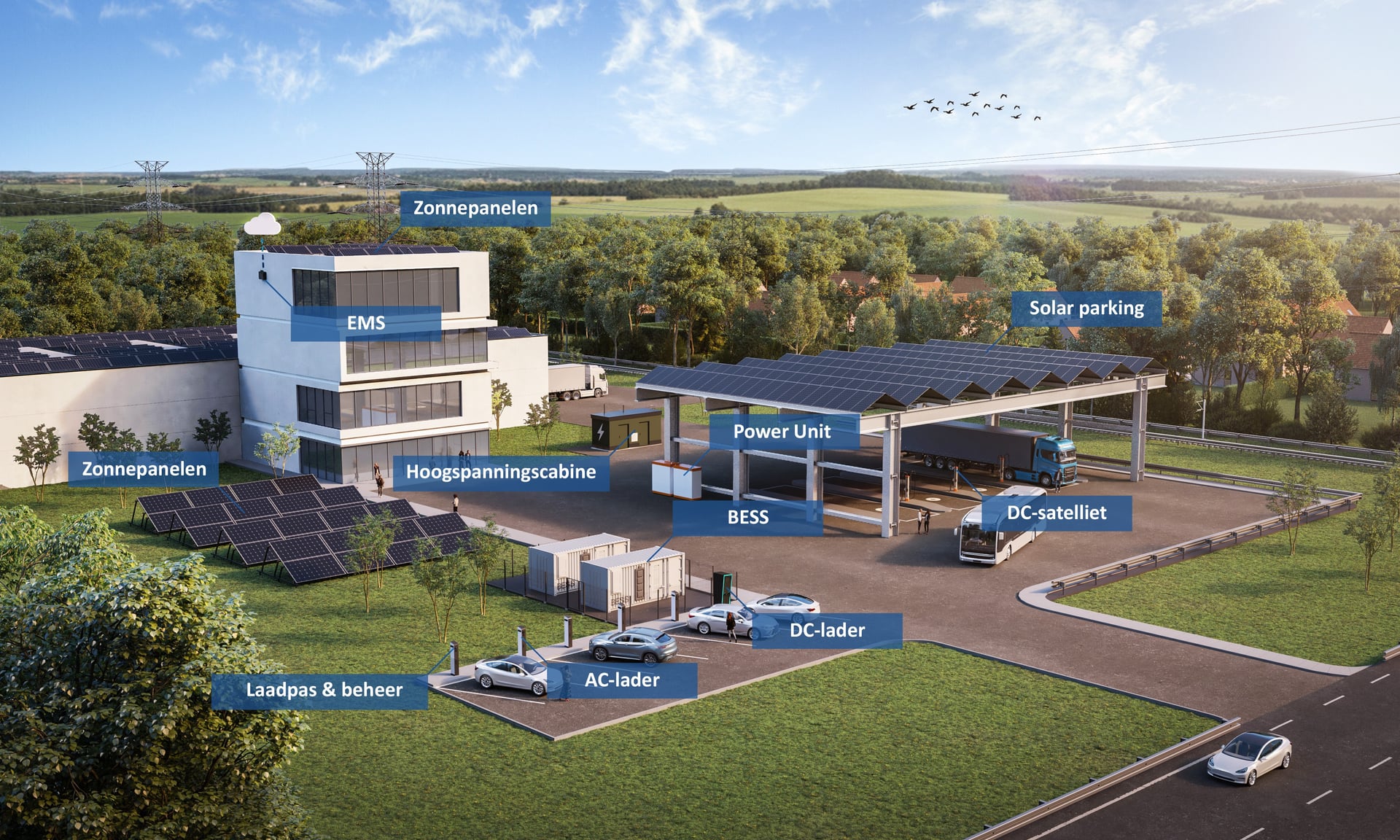
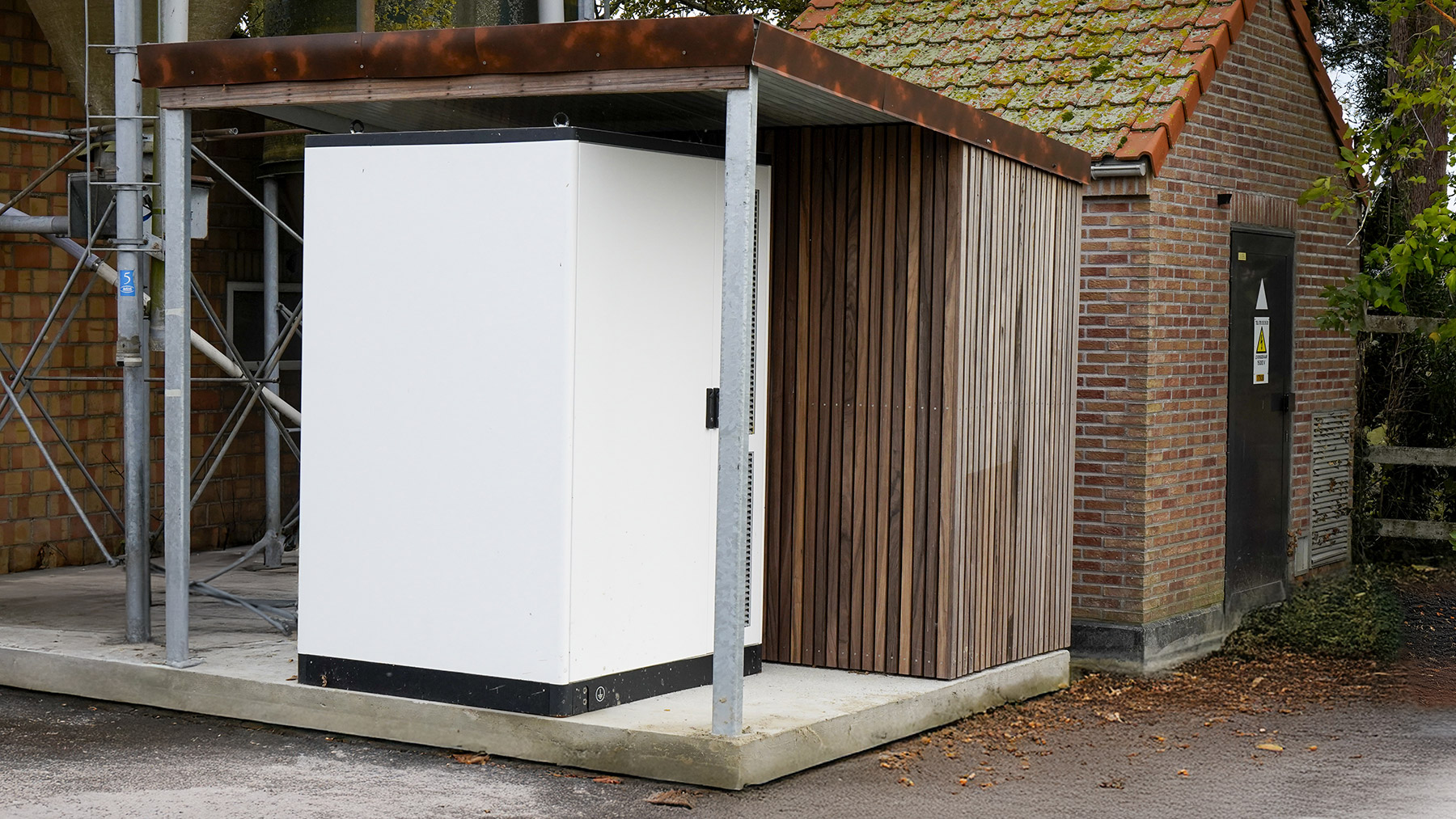
An EMS is the intelligent director of your energy. It monitors all energy flows in your business and automatically decides when energy is best consumed, stored or distributed.

An EMS ensures:

  • real-time measurement of consumption, production and charging profiles
  • automatic optimisation based on data
  • integration of solar panels, batteries and charging stations
  • smart power management to avoid peaks

An EMS is therefore the bridge between your electricity connection, solar panels, battery storage, charging stations and other consumers. Without EMS, those systems operate independently. With EMS, they work as one smart energy system. Powerland opts for an open architecture with broad compatibility, so the system works together with your existing and future installations.

Energy Management System
Smart control with local algorithm

Smart control with local algorithm

Powerland works with an EMS solution that makes decisions locally on site. This ensures fast and reliable control, even when multiple energy flows change simultaneously.

The system takes into account, among other things:

  • consumption data and charging behaviour
  • dynamic energy tariffs
  • available solar production
  • historical consumption profiles
  • power limits of your installation

This means your installation responds not only quickly, but also intelligently — tailored to your business context.

EMS + solar panels = maximum self-consumption
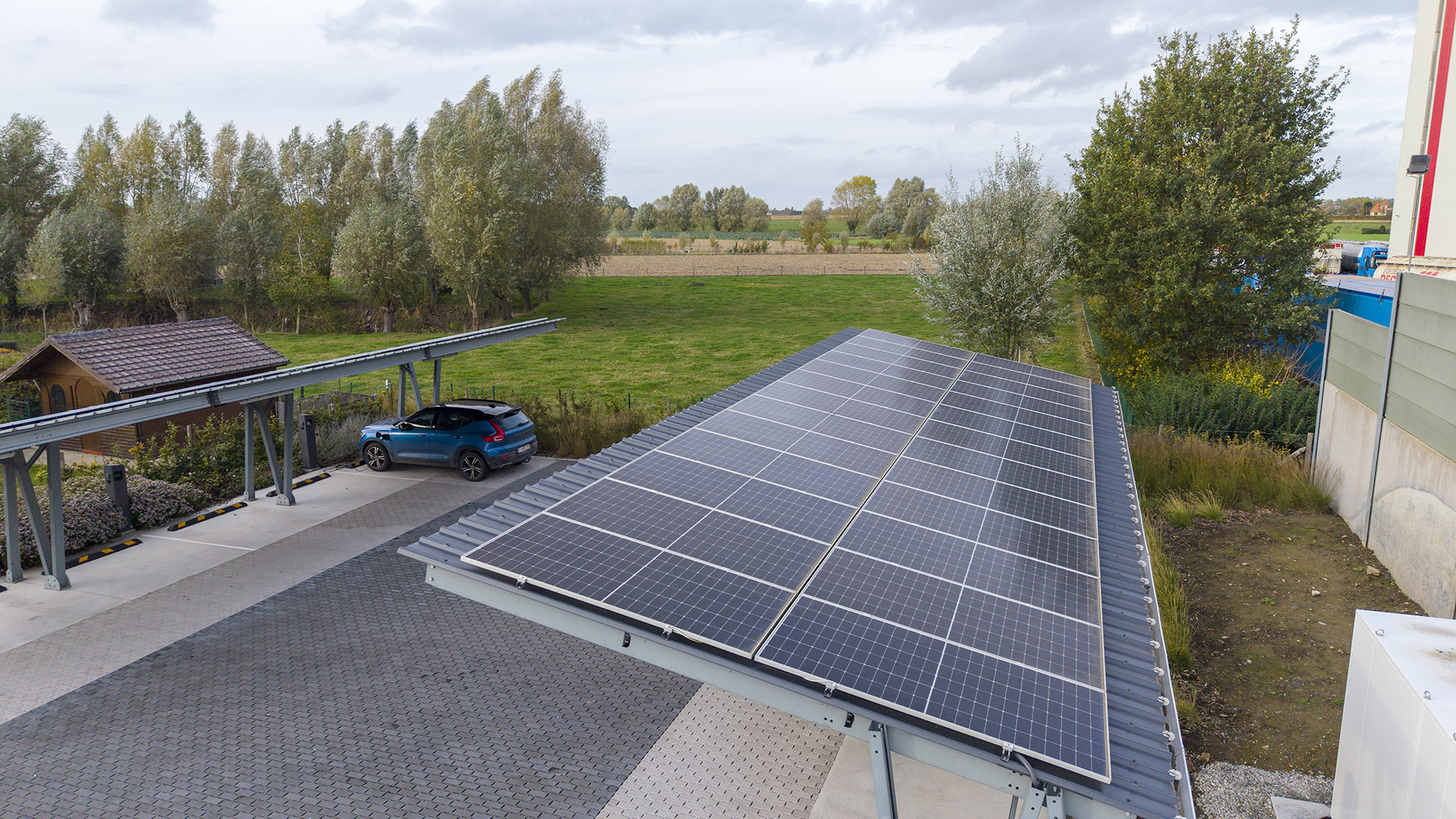
Without smart control, a business uses only 20–40% of its own solar production. The EMS detects PV surpluses and automatically directs them to direct consumers, battery storage or charging stations. With smart control, self-consumption rises to 60–90%.

The EMS can also factor in predicted production and consumption, so that surpluses are used proactively rather than reacting after the fact.

Solar Panels
Battery storage

EMS + battery storage = peak shaving and cost control

The EMS determines when the battery should charge or discharge:

  • charge when energy is cheap or PV is producing
  • discharge during peaks or expensive periods
  • stabilise total power consumption
  • monitoring of power limits per group or distribution board

Result: fewer peak charges, better control over your capacity tariff, and often no or less urgent need for grid reinforcement.

EMS + charging infrastructure = smart charging without peaks
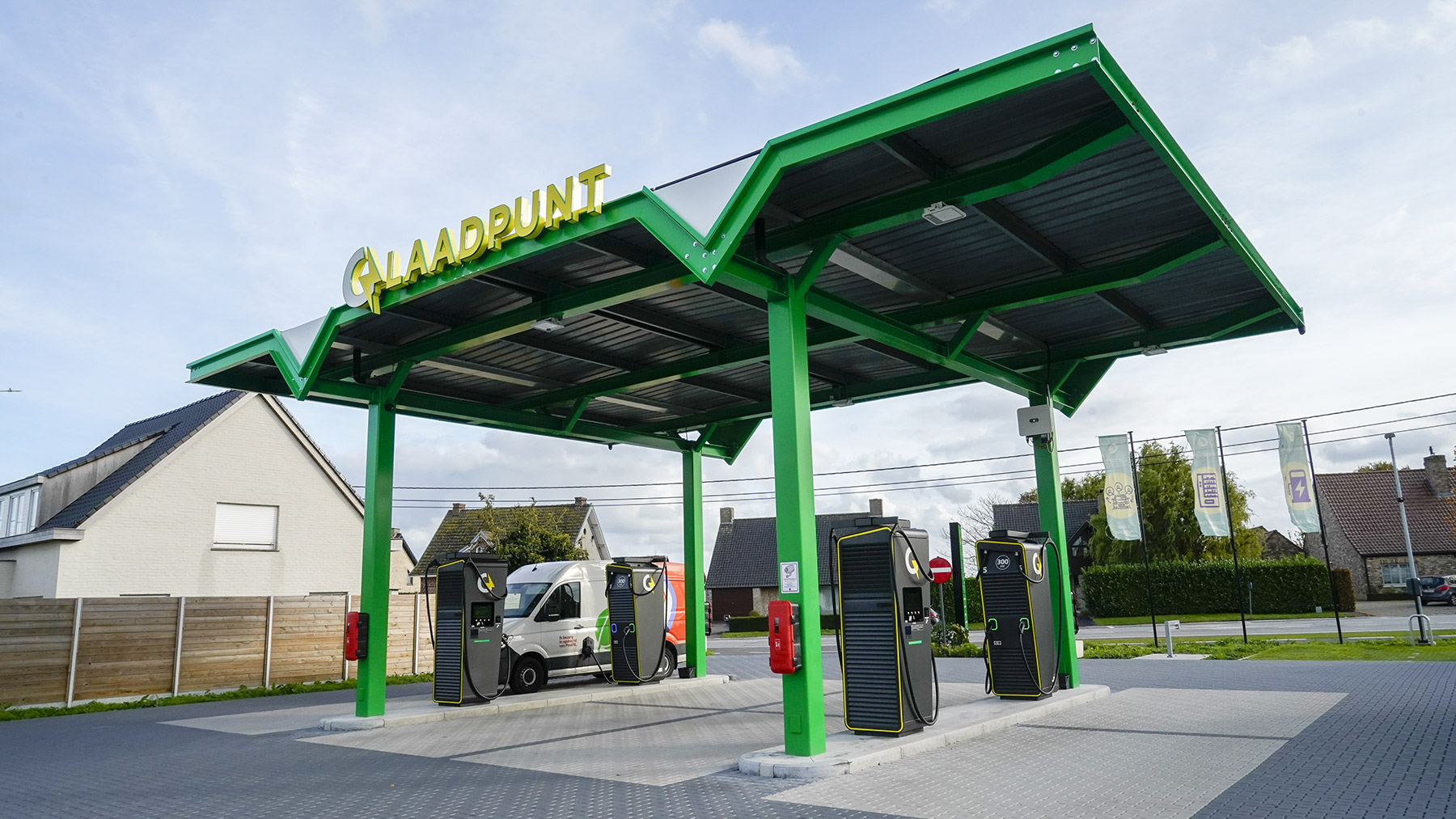
Charging stations require a lot of power in a short time. The EMS automatically distributes the available power across all charging points, without overloading your grid connection.

Options:

  • priority for fleet or pool vehicles
  • queue management
  • charging with PV surpluses
  • smart limiting of charging power during peaks

Powerland configures the priorities based on your operations. This way the control fits your practice, not the other way around.

Other integrations:

An EMS can also control other major consumers: heat pump/HVAC (if present), emergency power (optional) and other assets on your site. This makes the EMS the central director of your entire energy installation.

Charging infrastructure

Measure, understand, optimise

Insight

Insight

  • real-time overview of energy balance (production, consumption, storage, grid consumption)
  • PV production and self-consumption ratio
  • peak power and history per time block
  • battery status and charge/discharge cycles
Cost control

Cost control

  • scenario analyses when tariff structure or assets change
  • savings compared to scenario without EMS
  • impact of peak shaving on your capacity tariff
  • comparison of consumption periods
Optimisation

Optimisation

  • automatic recommendations based on consumption patterns
  • peak predictions and power monitoring
  • maintenance notifications and status checks per asset
  • notifications for deviations or alarms (optional))

What does an EMS cost?

An EMS solution consists of hardware (gateway, meters, CT clamps), software/platform, integration and configuration, and monitoring with any adjustments.

The exact cost depends on the number of assets to be controlled, the complexity of your installation, the required control and reporting, and whether it concerns single-site or multi-site monitoring.

The return typically comes from reduced peak loads, more self-consumption, smarter charging and discharging, better utilisation of existing installations, and avoiding or deferring grid reinforcement.

Request a quote
EMS
Manage your own energy

Ready to manage your energy intelligently?

With an EMS you get more out of solar panels, battery storage and charging infrastructure — without unnecessary peaks or overloading.

Discover what a smart energy system delivers for your business.
Quote

An EMS continuously makes decisions you could never keep track of yourself.

Pow-Pow

Questions about
energy management

Yes. The system automatically controls for the most favorable moments for charging and discharging, based on price information, consumption profiles and local production.

An EMS is both a physical device in or next to your electrical cabinet and a smart software platform that automatically controls your entire energy installation.

The system measures in real time:

  • your electricity consumption
  • the production of your solar panels
  • the status of your battery
  • the charging behavior of your charging stations
  • your peak power and grid consumption (also per phase)

This data is processed in the EMS platform, which automatically decides when energy is best consumed, stored or distributed. Powerland configures this system based on your installation and consumption profile. You don't need to program anything yourself.

The EMS detects when your consumption approaches a peak and automatically intervenes:

  • temporarily limit charging capacity
  • control consumers in priority order
  • use solar energy locally first
  • discharge battery during peaks (if present)

Even without a battery, an EMS can greatly limit peaks via smart power distribution and timing.

To all questions  

Contact and help

Our customer service and sales team are ready to assist you.
If you are at a charging point and require immediate assistance, you can reach us at +32 57 69 01 05 to speak to an employee.
For non-urgent questions regarding billing or your account, you can email info@powerland.be

Get in touch