
Specific challenges in transport & logistics
Key challenges
What Powerland solves

We don't design a charging plaza based on the number of vehicles. We start from your route planning, your departure times and your growth — and design the right installation around that.
Built to grow with you — and keep running reliably
In transport & logistics, energy demand grows with your business: extra vehicles, extra shifts, new routes. But your route planning also determines how much power you need and when. Powerland incorporates that route planning into the design — charging times, departure moments and rotations help determine which mix of DC and AC you need, how much simultaneous capacity is required and where buffers make sense. This way you design based on your actual operations, not on gut feeling, with room to scale without duplicate costs.
Charging plazas for fleet

Depot charging (overnight AC)

DC charging for trucks and tight rotations
Load balancing and priority charging

Layout, traffic routes and safety
Solar panels on warehouses and distribution centres
Logistics sites often have large, usable roof surfaces. This makes PV:
- Cost-effective due to high production capacity
- Perfectly linked to charging and daytime consumption
- Ideal for supporting HVAC and (pre-)cooling
PV + charging plaza: make your kWh cheaper
- Charge with own production where possible
- Less grid consumption during the day
- Higher return when you also use smart EMS control
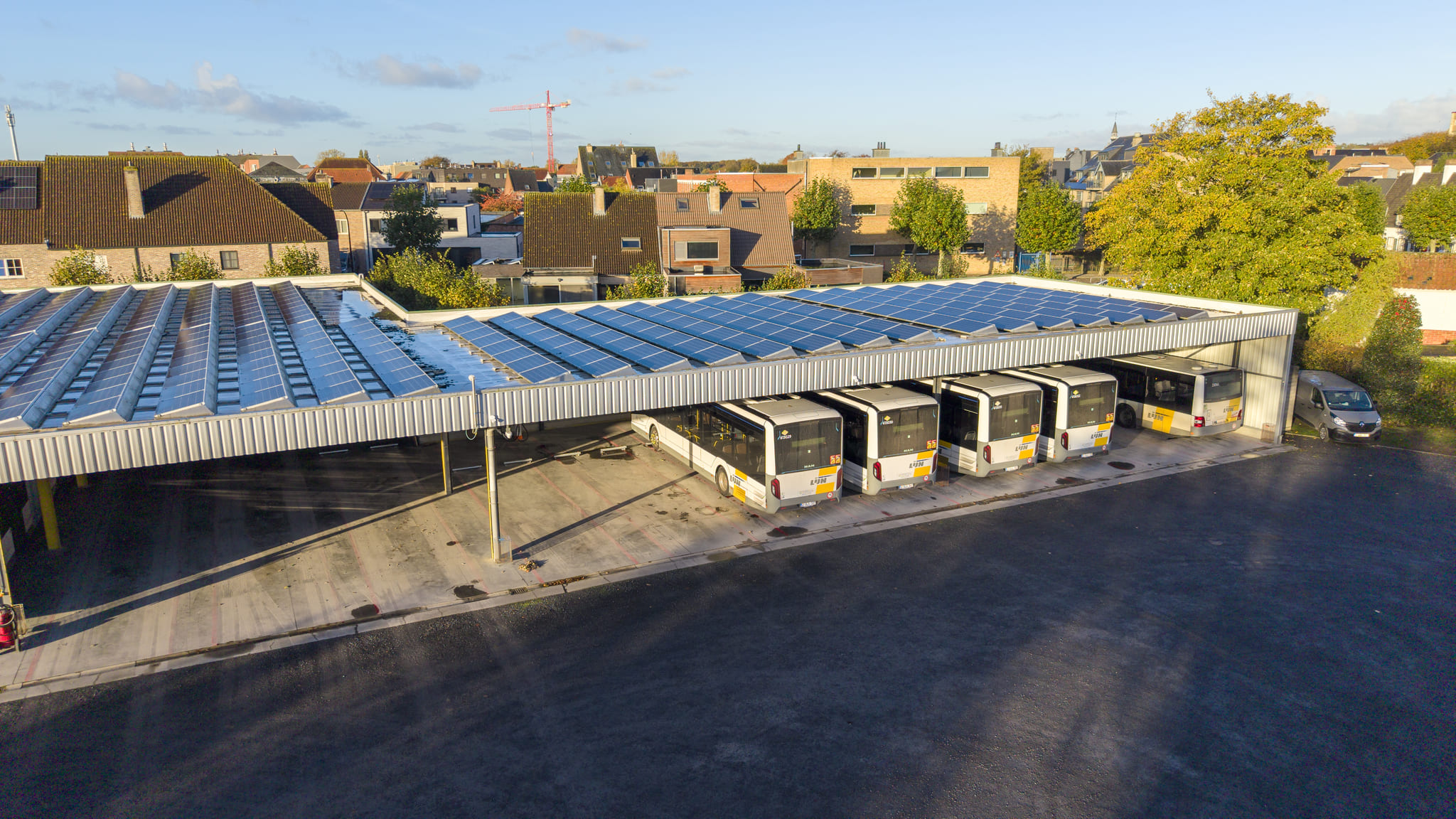
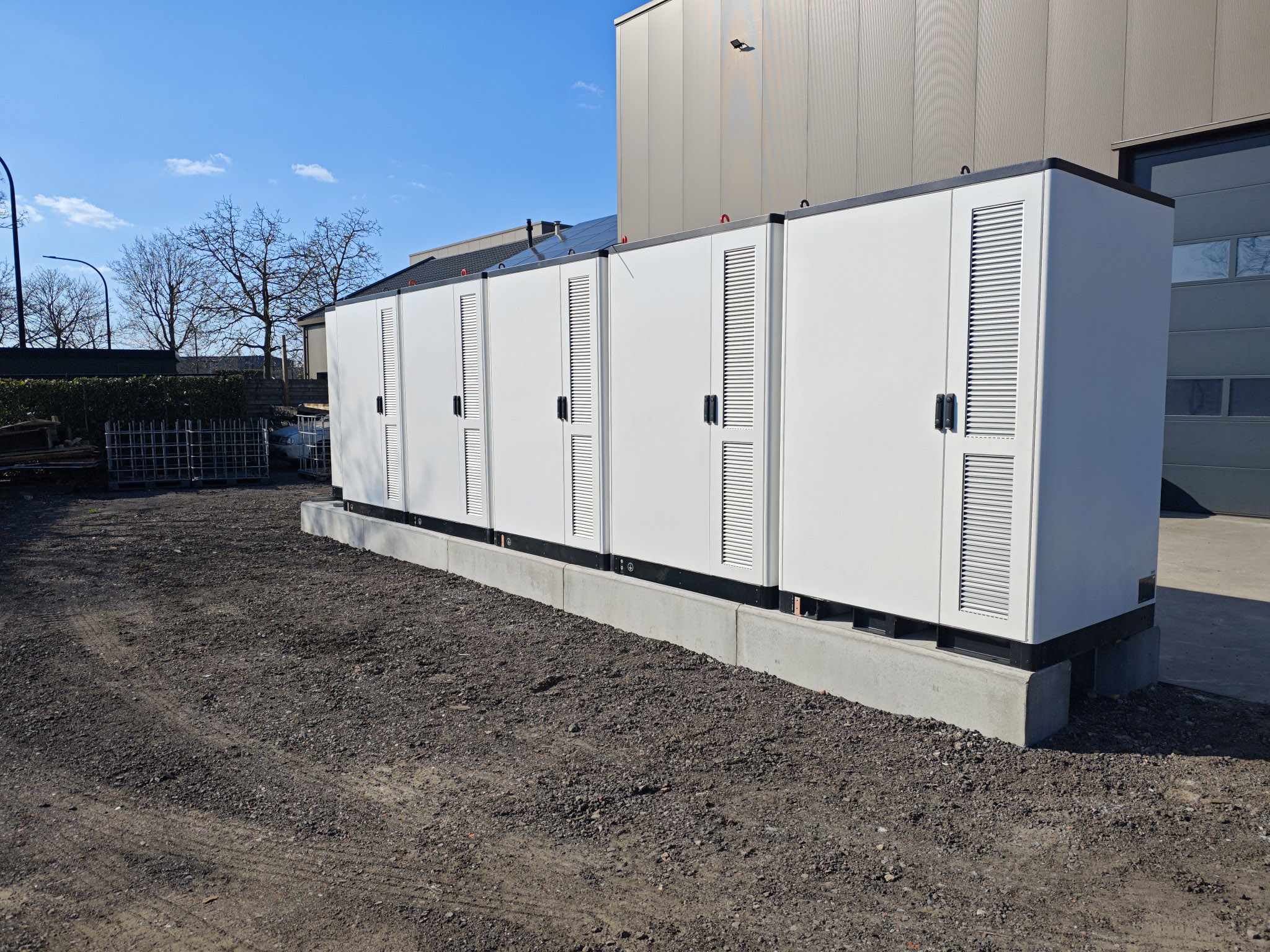
DC charging often becomes feasible when a battery buffers peaks.
Battery storage for peak shaving and continuity
In transport & logistics, battery storage is often the fastest lever to:
- Absorb peak loads (peak shaving)
- Make DC charging more stable with limited grid capacity
- Avoid or defer grid reinforcement
Typical use cases in logistics
- Peak moments from simultaneous charging + cooling
- Buffer for DC fast charging at depots
- Stability during variable activity (shift changes, arrival waves)
Charge management, reporting and charge cards
With professional charge management, you keep control of who charges, when and how much — at your own depot and on the road.
- Consumption registration per vehicle or user
- Cost allocation per department or location
- Reimbursement for employees (incl. reports)
- Configurable priorities (fleet vs visitors)
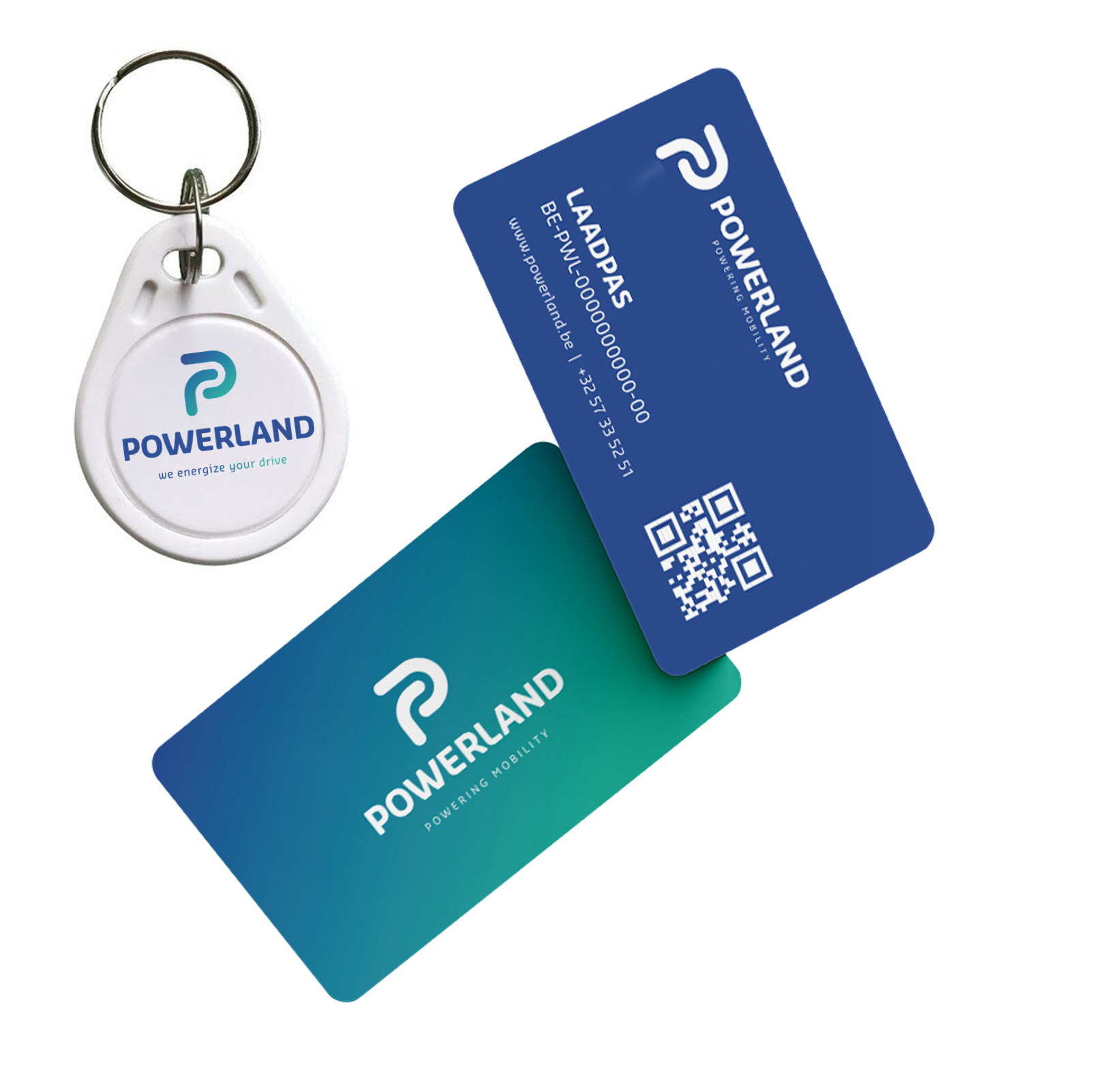
- Integration with charge cards (RFID) for access and identification
- One card for depot and public charging on the road — one billing stream
- Remote monitoring, history and fleet insights
You manage based on data: occupancy rate, peaks, kWh and costs.