Charging infrastructure
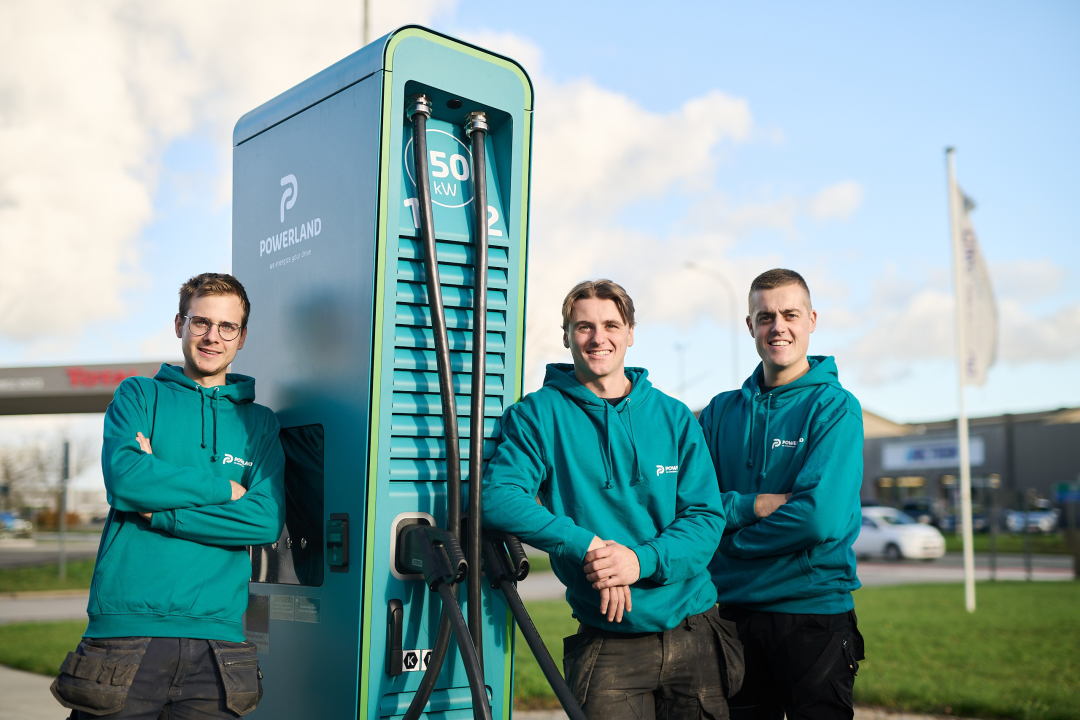
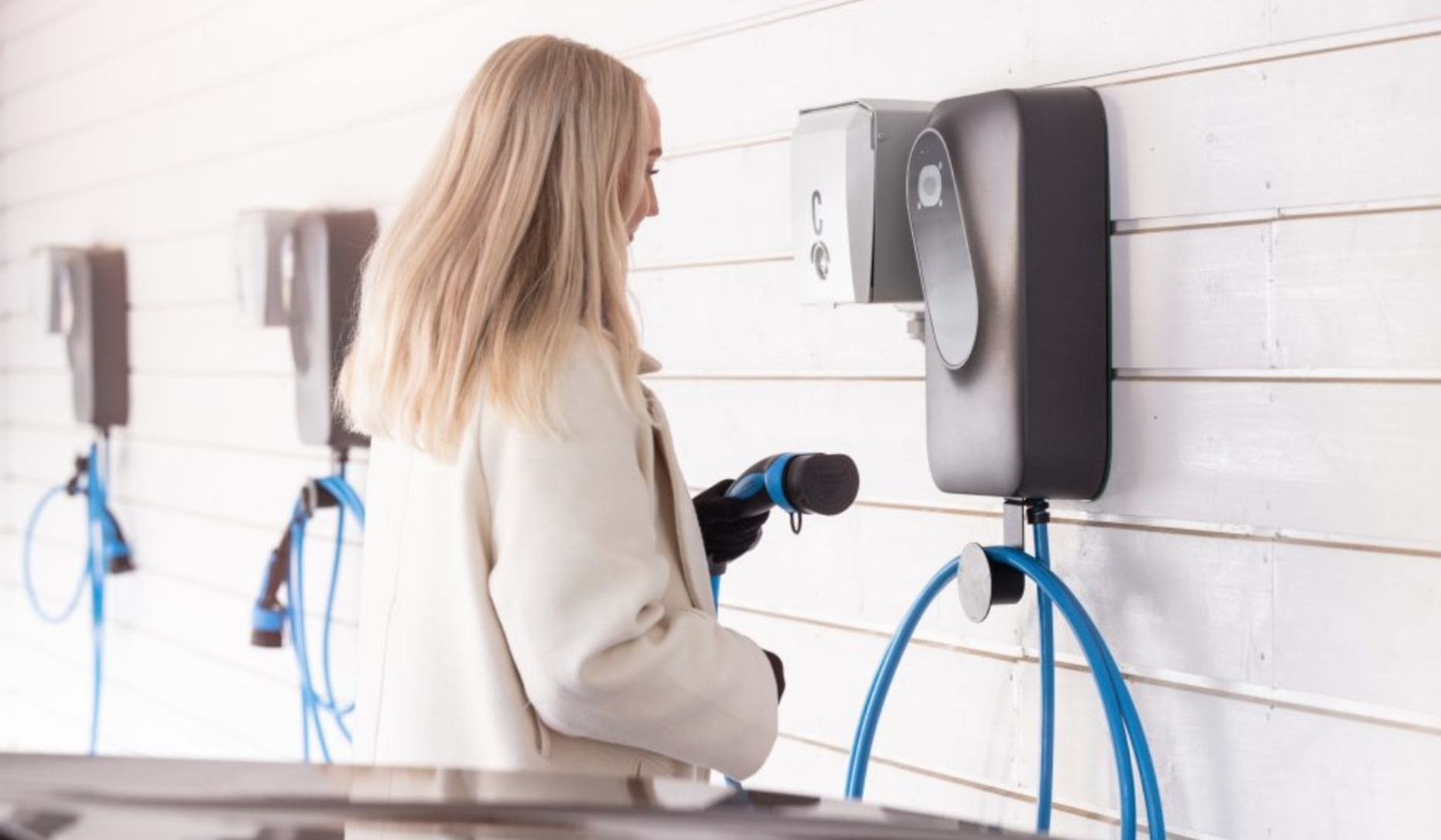
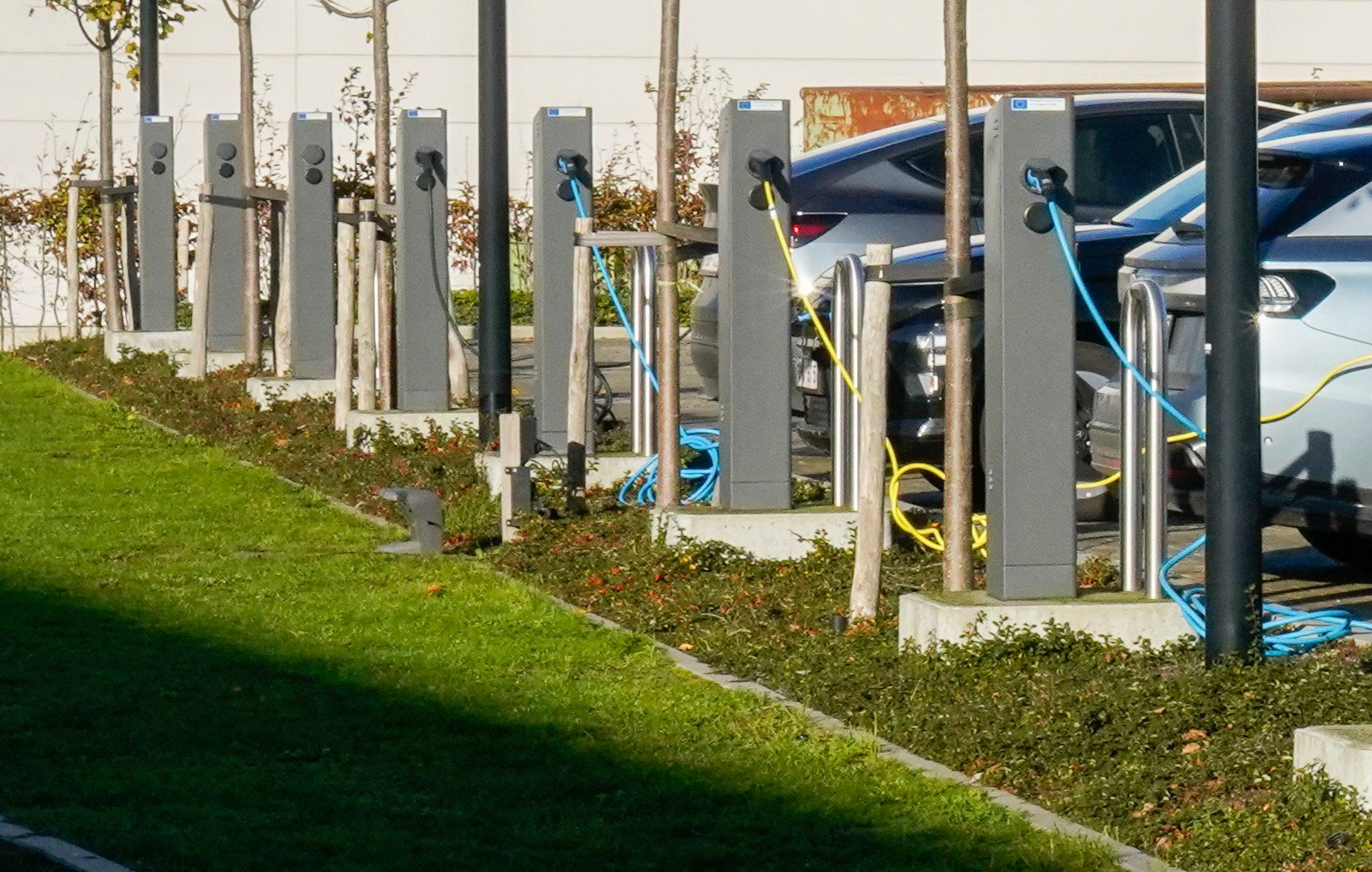
Charging points for residents, tenants, visitors or public use. Per parking space or shared, with individual billing and scalable as demand grows.
Battery storage
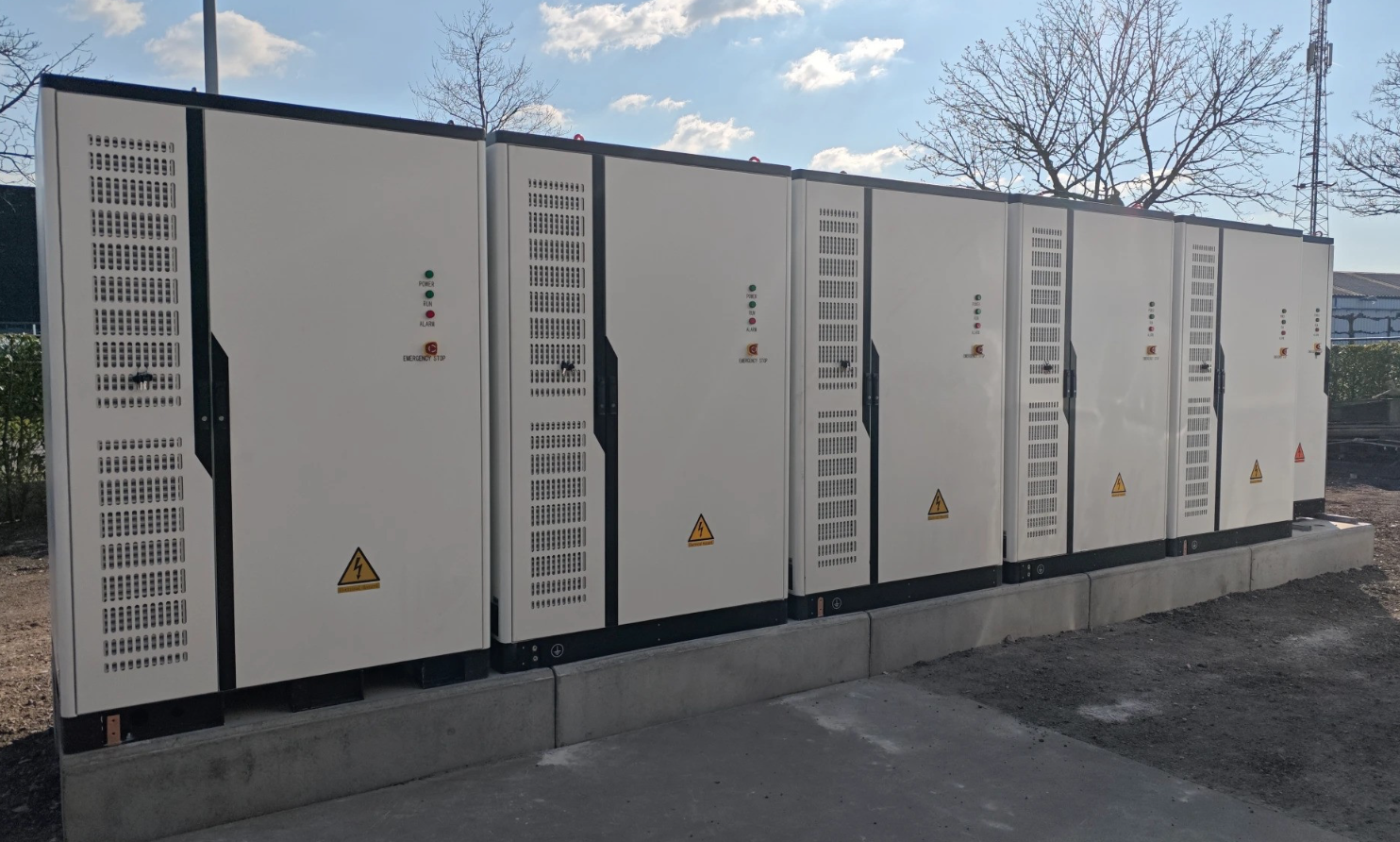
Buffers peaks during simultaneous consumption, increases self-consumption of solar panels and enables expansion of charging points without reinforcing the grid.
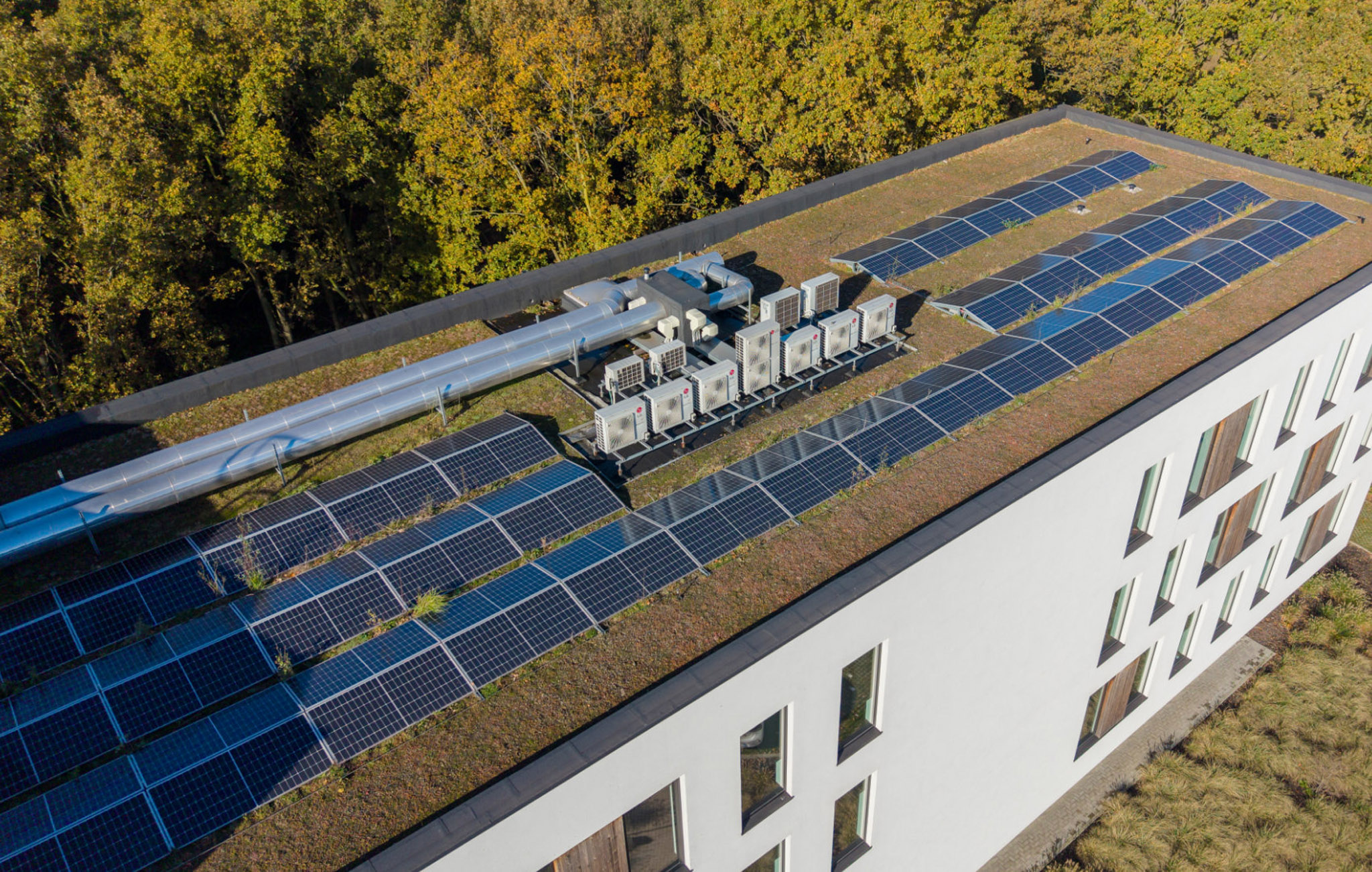
Solar panels
Large roofs on apartment buildings, offices and parking canopies deliver high yield. Production is distributed across building consumption, charging and storage.
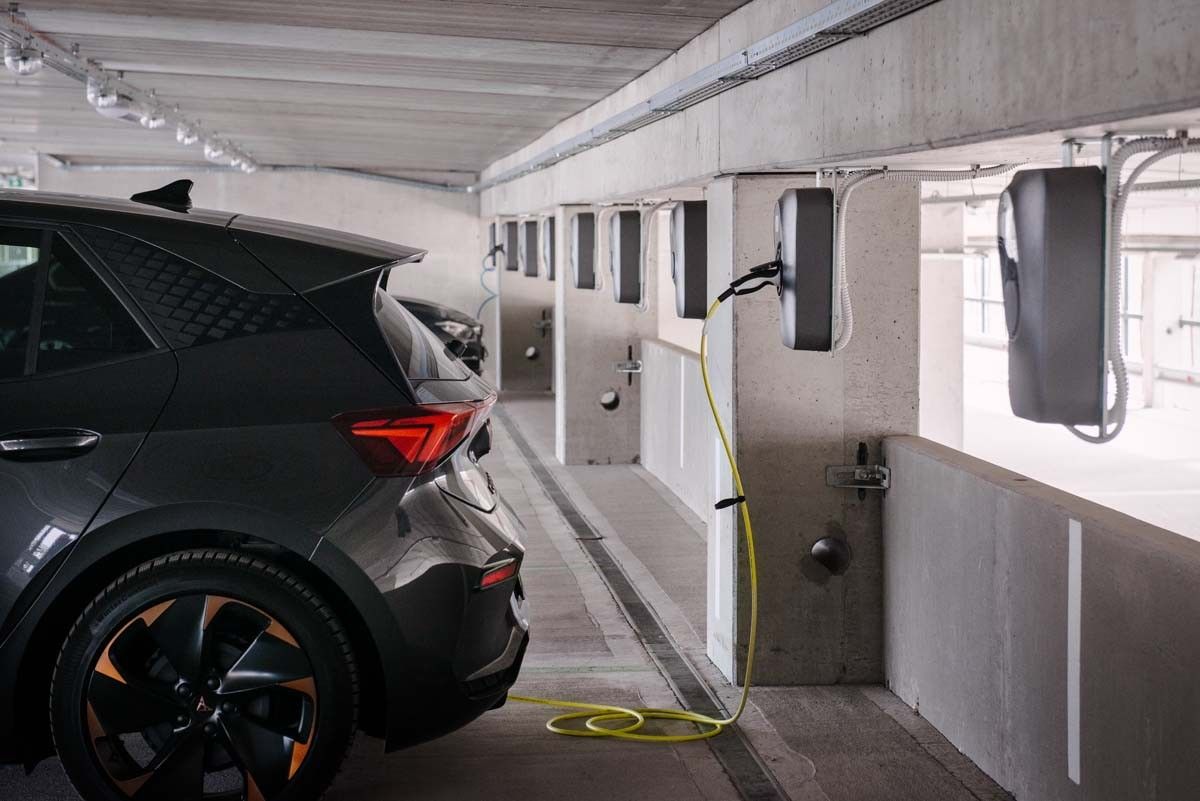
One resident wants to charge? They can get started. The rest follows when they are ready.
Real estate with car parking
In apartment buildings and office buildings, energy is a shared matter. Power is limited, multiple residents or tenants want to charge and the billing must be correct — per user, per month, transparent for the property manager or owners' association.
Powerland designs installations that work modularly: residents join when they want, without the entire building needing to be equipped at once. Billing is handled automatically via split billing between communal and individual consumption. And the installation is prepared for expansion — adding extra charging points requires no breaking works or new cabling.
- Charging point per parking space with individual billing
- Modular entry: one resident can start without everyone joining in
- Split billing for property manager/owners' association
- Retrofit in existing buildings without major breaking works
- EV-ready design for new builds and renovations
Car parks as charging hubs
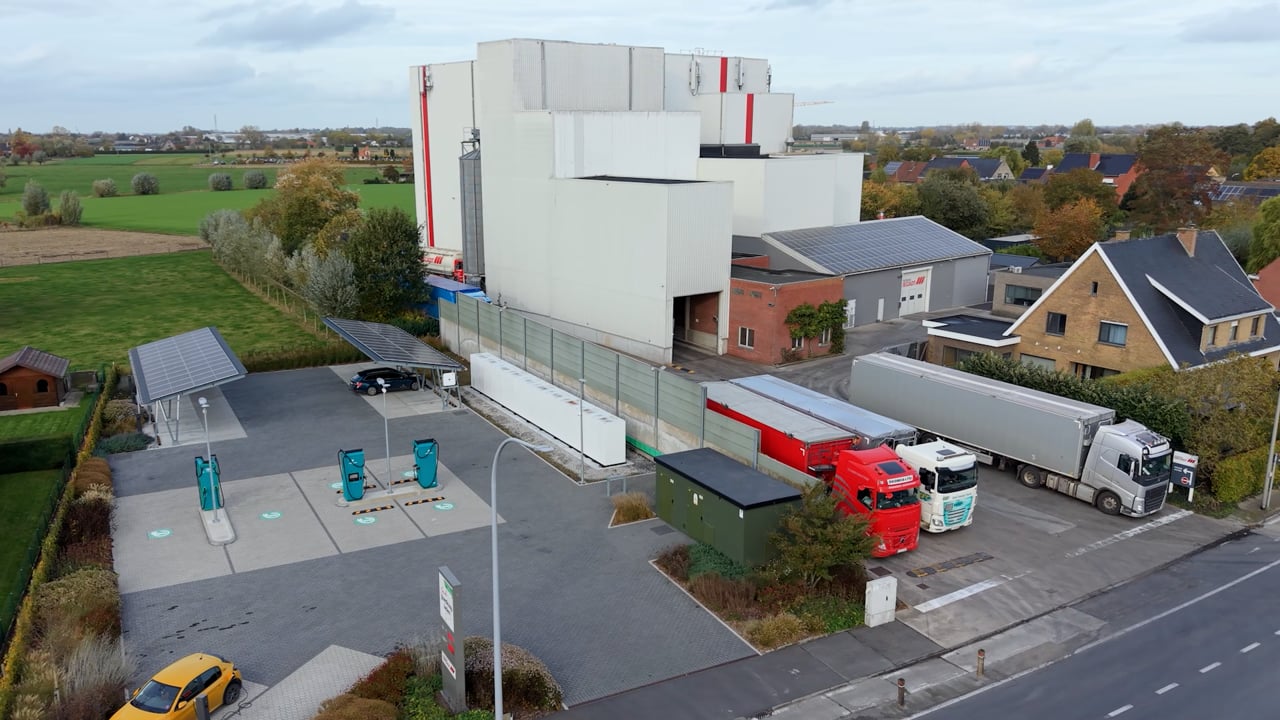
A car park is no longer just a place to park. Depending on the location, a car park can evolve from "car park with charging stations" to a charging hub where parking is also possible — with its own energy production via solar carports, public charging as a revenue model and scalable infrastructure from 5 to 200+ charging points.
- Solar carports: canopy with solar panels that power charging points and car park
- Public charging via QR or payment solution, with idle fees and time limits for throughput
- AC for long-stay parkers, compact DC for short stops
- Battery and EMS for peak control during simultaneous charging
- Scalable design without duplicate costs
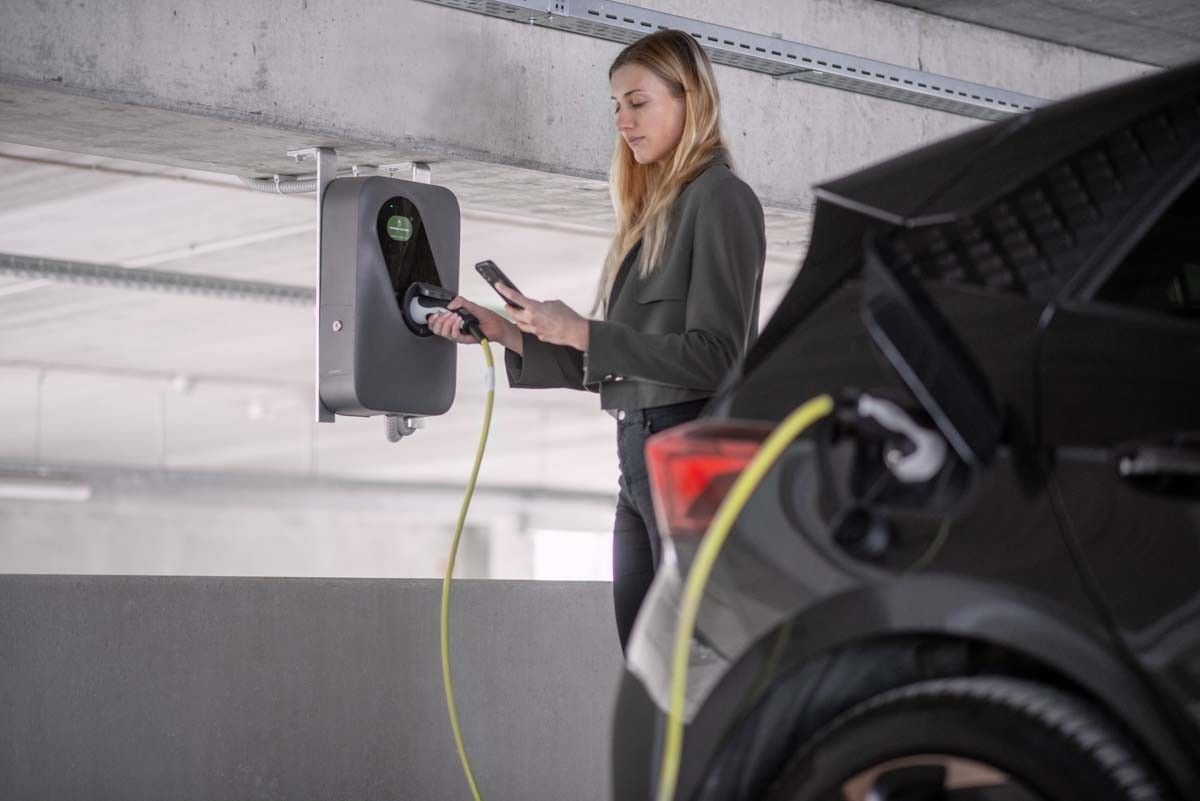
From car park with charging stations to a charging hub where parking is also available.
Fully taken care of: charge cards, charge management and service
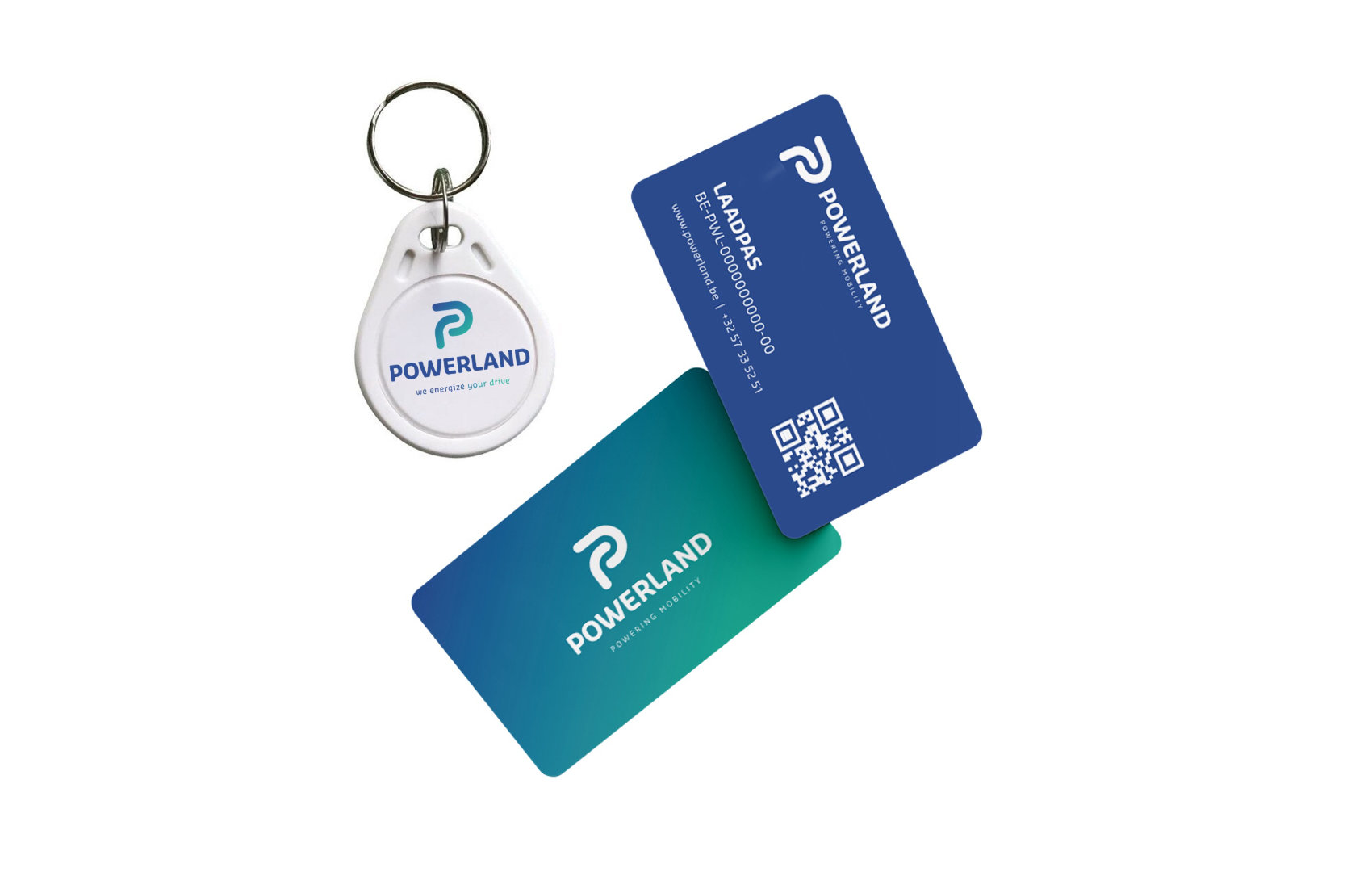
Charge cards
Charging services